The AI Bonus War: Why 48,000 Samsung Workers Are Walking Out
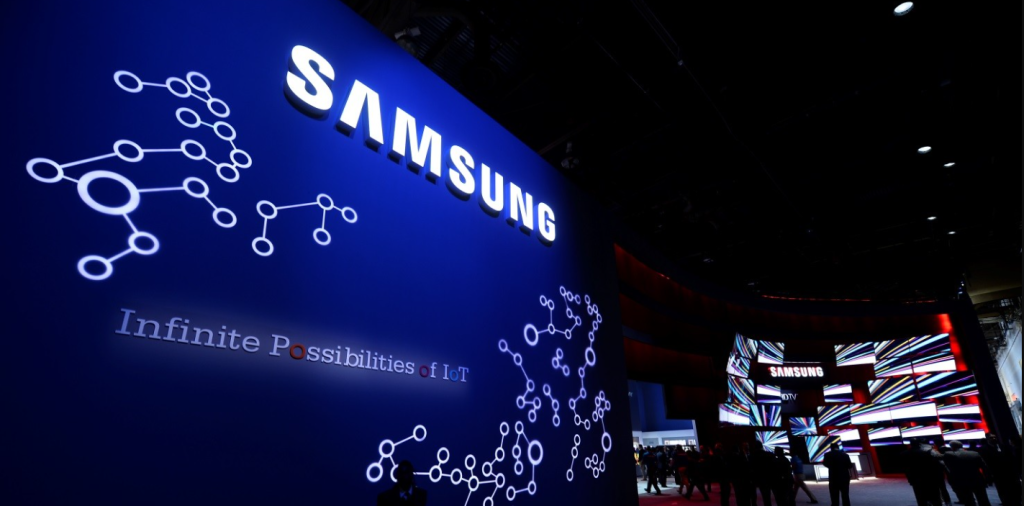
The largest labor protest in Samsung Electronics’ history is underway. The National Samsung Electronics Union (NSEU) announced late Wednesday, May 20, 2026, that some 48,000 employees would go on strike for 18 days beginning Thursday, May 21. Samsung was well-known for its “no-union” stance for many years. Those days are long gone. Nearly 40% of Samsung’s domestic employees will quit their jobs tomorrow, which could severely disrupt the production lines that power smartphones and AI servers worldwide. The Sticking Point: It’s All About the “Bonus Gap” While the dispute is officially about wage increases, the real fire is being fueled by relative deprivation. The Stakes for the World This isn’t just a local HR headache. Samsung accounts for nearly 25% of South Korea’s exports. If the strike lasts the full 18 days: Impact Area Estimated Risk Global DRAM Supply Could drop by 3–4% Financial Loss Estimated up to 30 trillion won ($20B) in production Production Risk Halting 24-hour “clean rooms” can ruin ultra-sensitive wafers worth $20,000 each What Happens Next? The administration of South Korea is on the verge of pressing the “panic button.” They have the authority to request emergency arbitration, a unique judicial action that would compel a 30-day halt to the strike while mediation is ongoing. The union is holding firm for now. They feel they have made every possible compromise, but management will not change the long-term bonus structure, union leader Choi Seung-ho sobbed today. The Big Picture: This strike is a pivotal moment in the ‘AI Era.’ The distribution of the historic rewards from the AI boom to the workers on the factory floor is now more important than who makes the finest chip. How will the Samsung strike specifically affect the price and availability of HBM3E and DDR5 chips for AI data centers? The impact on the AI data center industry from a strike of this size—nearly 48,000 employees, or around 40% of Samsung’s domestic workforce—is more about a supply shock in an already “sold-out” ecosystem than a complete shutdown. The immediate effects will probably initially affect the spot market before trickling into long-term business pricing because big players like Nvidia and AMD have shifted toward multi-year contracts to obtain HBM (High-Bandwidth Memory). 1. Availability: The “Clean Room” Vulnerability The nature of the equipment poses a greater risk to HBM3E and DDR5 availability than a shortage of personnel. 2. Price Projections: The “Anticipatory” Spike Market prices are already reacting to the threat of the strike, even before the first worker walks out. Component Recent Price Movement Expected Strike Impact (18 Days) DDR5 (64GB RDIMM) Up 11% (last 30 days) Projected additional 15–20% hike HBM3E Contract-bound (stable) Higher “expedite fees” for new allocations DDR4 (Spot Market) Up 20% (last week) Significant volatility; possible 50% jump 3. Winner-Take-All: The “Rivalry Premium” The strike gives SK Hynix and Micron, Samsung’s primary rivals, a huge advantage. Summary for Business Planning Critical Warning: Over the next 72 hours, the “spot market” for high-capacity DDR5 is going to become very volatile if you are in charge of tech infrastructure procurement. The largest AI players are protected by long-term HBM3E contracts, while the DDR5 supply for popular AI servers is most vulnerable to sudden price gouging.